Ethiopia Guji Uraga, and the year we waited for it
A washed heirloom lot from 2,150 metres that tastes like jasmine tea poured over white peach. Twelve months chasing this farm; ninety bags to show for it.
Some coffees you find. This one we waited for. We first cupped a sample of this washed heirloom lot from the Uraga district last August — and then spent the better part of a year making sure we could actually get it.
Uraga sits in the Guji zone of southern Ethiopia, a region that has quietly become one of the most exciting on the cupping table. The farms here are small, often a hectare or two, perched between 2,000 and 2,300 metres. At that altitude the cherries ripen slowly, sugars concentrate, and the cup develops the kind of floral lift you can't roast into a coffee that doesn't already have it.
What it tastes like
We roast this one light — a touch past first crack and no further — because everything good about it lives in the high notes. Brewed as a pour-over, the first thing you get is jasmine, then bergamot, then a soft white peach sweetness that lingers like good tea. There's a clean, almost weightless body that makes it disappear off the palate and leaves you reaching for the next sip.
It's the closest thing to drinking flowers I can get away with putting in a cup. — Priya, our head roaster, defending the light roast
This is a small lot. We bought ninety 30-kilo bags, and once they're roasted and gone, they're gone until next harvest. If you've been on the fence about trying a washed Ethiopian, this is the one to jump in on.
How we'd brew it
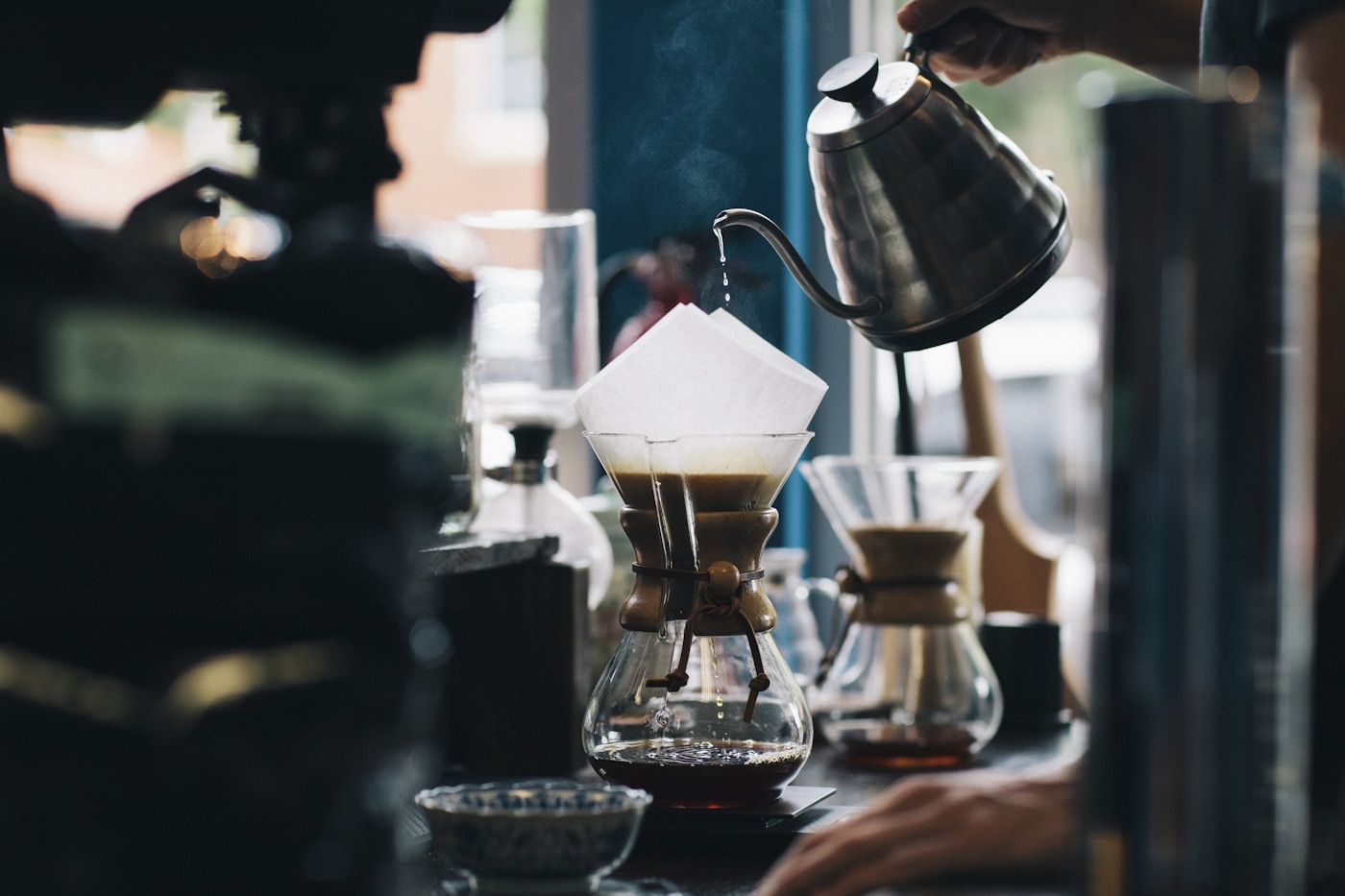
Filter, every time. A V60 or any flat-bottom dripper at a 1:16 ratio, water just off the boil. If you only have an espresso machine, pull it long and ristretto-shy — it makes a startlingly good, tea-like shot. Whatever you do, give it three or four days to rest off the roast; it's still degassing when it reaches you.
Dario Marek founded the roastery in 2014 and still buys most of the green coffee himself.