Six café classics, and how to make each one properly
Espresso, ristretto, americano, cappuccino, flat white, and latte all begin in the same place. The difference is in the ratio.
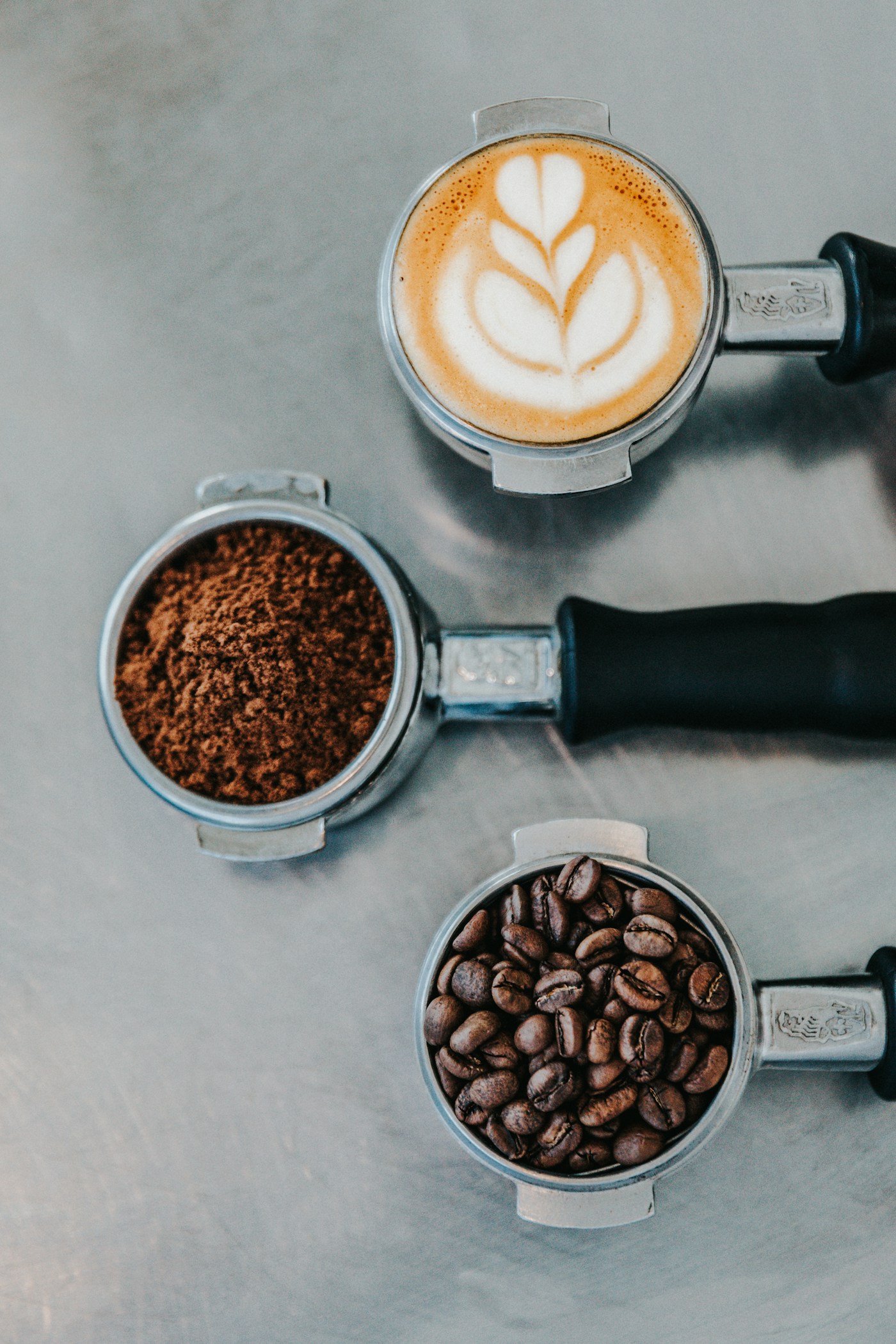
Most café menus look more complicated than they are. Espresso is the foundation; water, milk, texture, and volume decide almost everything that follows. Learn one dependable shot and six familiar drinks become easy to understand — and much easier to make well.
Begin with an espresso recipe of 18g finely ground coffee in, yielding 36g in the cup in roughly 28 seconds. Taste before changing anything. It should be sweet, balanced, and strong without turning harsh. Use that double shot throughout this guide; for a single drink, split it or enjoy the extra half.
The short, black drinks
Espresso: serve the 36g extraction as it is. Ristretto: stop the same dose earlier, around 24–28g, for a shorter, rounder cup. Americano: add the espresso to 90–120g of hot water. Pouring coffee onto water keeps the crema tidier, but taste matters more than ceremony.
A good menu is not a collection of mysterious drinks. It is a set of clear ratios, made with care. — Dario Marek, head roaster
The milk drinks
Steam cold milk to about 60–65°C, introducing air only at the start, then keep it rolling until glossy. For a cappuccino, combine espresso with roughly 120g milk and a generous, velvety foam layer. For a flat white, use about 100g milk with very fine microfoam, keeping the coffee prominent. For a latte, stretch the drink to 180–220g milk for a softer, longer cup.
Adjust the recipe, not the identity
Cup sizes vary, machines behave differently, and every coffee asks for a small adjustment. Keep the identity of the drink intact: a ristretto should remain short, a cappuccino should feel airy, and a flat white should taste unmistakably of espresso. Change one variable at a time, write down what worked, and stop chasing perfect latte art before the coffee tastes good.
Dario Marek develops the espresso recipes used across Marek's cafés and believes every menu should be easy to explain.